Capital Gains Tax: What You Need to Know Before You Sell
With tax planning in full session and limited days left to make a decision on most actions for the 2025 tax year, it seems fitting to release a short easily understandable guide on capital gains. We’ll start with the basics like what is capital gains tax and more on to a bit more details like how much are you taxed and some different strategies to consider.
What Is Capital Gains Tax?
A capital gain happens when you sell something for more than you paid for it.
That’s it.
If you buy something for $1,000 and sell it later for $1,500, you made a $500 gain. That $500 is what the IRS may tax.
Capital gains tax commonly applies to:
- Stocks and investments
- Real estate
- Cryptocurrency
- Collectibles (art, coins, trading cards, etc.)
- Business interests
You don’t owe capital gains tax just because something goes up in value.
You only owe it when you sell (excluding retirement accounts).
Short-Term vs. Long-Term Capital Gains
The biggest factor in how much tax you pay is how long you owned the asset.
Short-Term Capital Gains
- Asset held 1 year or less
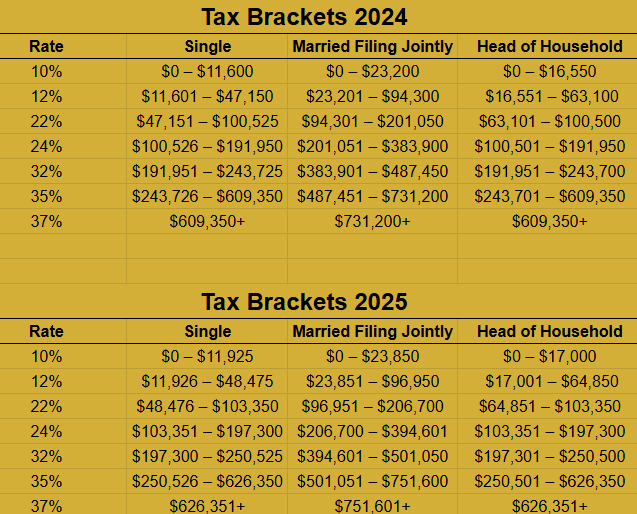
- Taxed at ordinary income tax rates (in other words your normal tax rate)
Example:
You buy a stock and sell it 6 months later for a profit.
That gain is taxed just like wages.
For many people, that’s 22%, 24%, or higher.
Long-Term Capital Gains
- Asset held more than 1 year
- Taxed at lower, preferential rates
For most taxpayers, long-term capital gains are taxed at:
- 0%
- 15%
- 20%
Which rate you fall into depends on your income — not the size of the gain alone.
Why This Exists
The tax code rewards long-term investing and discourages short-term speculation. Holding investments longer often means:
- Less volatility
- More stability
- More predictable growth
The IRS wants to encourage that behavior.
A Simple Example
Let’s say you buy shares of an index fund for $5,000.
Scenario 1: Sell After 9 Months
You sell for $6,000 → $1,000 gain
Taxed at your ordinary income rate (say 22%)
Tax owed ≈ $220
Scenario 2: Sell After 13 Months
Same $1,000 gain
Taxed at 15%
Tax owed = $150
Same investment. Same gain. Different holding period. Lower tax.
Not All Capital Gains Are Treated the Same
Some assets don’t get the standard long-term rates.
Collectibles (Special Rules Apply)
The IRS considers certain items “collectibles,” including:
- Artwork
- Antiques
- Coins and precious metals
- Trading cards
- Rare stamps
Long-term gains on collectibles are taxed at up to 28%, not limited to 0%, 15%, 20%.
So even if you hold a collectible for years, the tax rate can still be higher than standard investments.
Real Estate (Special Exceptions)
Real estate has its own set of rules — especially for primary residences (residences inherited count toward this as long as the deceased has lived there for 2 of the past 5 years)
If you sell your primary home, you may be able to exclude:
- Up to $250,000 of gain (single)
- Up to $500,000 of gain (married filing jointly)
As long as you meet ownership and use requirements.
This is one of the most generous capital gains breaks in the tax code.
Capital Losses: The Other Side of the Coin
Capital gains don’t exist in isolation.
If you sell an asset for less than you paid, you have a capital loss.
Losses can:
- Offset capital gains
- Offset up to but no more $3,000 of ordinary income per year
- Carry forward to future years if unused
This is why investors sometimes intentionally sell losing investments — a strategy known as tax-loss harvesting.
Why Capital Gains Planning Matters
Capital gains tax isn’t just about investments — it’s about timing.
Simple planning questions can make a big difference:
- Should I wait a few more months to sell?
- Is my income lower this year than usual?
- Can losses offset this gain?
- Does this asset qualify for special rules?
These decisions often matter more than which stock you picked.
It may be beneficial to consider shedding that stock that just keeps decreasing in value to offset some large gains possessed by other stocks. This helps rebalance your portfolio and can cause little to no tax liability if performed correctly. After all, you already have a poor stock, so why not shed it for something that earns better while also getting the benefit of decreasing your risk by rebalancing the individual stock makeup of your portfolio? I am obligated to say talk with your financial advisor about this, as they can provide better investment recommendations than I can; however, hopefully now you understand the tax games that can be played.
Final Thoughts
Capital gains tax isn’t so complicated.
At its core:
- You’re taxed on profit
- Timing matters
- Long-term rates generally beat short-term rates
- Some assets play by different rules
Understanding capital gains helps you make better decisions about when to sell, how long to hold, and how to plan around taxes instead of reacting to them. Before year end, take a look at your investment portfolio and consider if you could benefit from selling any investments. Losses aren’t fun, but you use them wisely, they can help offset some of the large gains you may have.
Reach out if you have any questions or would like further clarifications on any of the items discussed.
– Brendan Tiedeman, CPA