The 5 Most Common Tax Mistakes Individuals Make (and How to Avoid Them)
Taxes can feel confusing, stressful, and—let’s be honest—annoying. But the truth is that most of the tax problems individuals run into are completely avoidable with a little planning and awareness. Whether you file your own taxes or work with a professional, the decisions you make throughout the year have a direct impact on your refund, your tax bill, and your financial stability.
Below are the five most common mistakes I see and hear about individuals making year after year, plus how to fix them. The good news? A few simple changes can put real dollars back in your pocket and help you take control of your financial future.
1. Over-Withholding and Giving the IRS an Interest-Free Loan
Let’s start with the big one: over-withholding.
A huge percentage of taxpayers withhold far more than necessary from each paycheck. What happens next? You get a big tax refund in April… and people cheer like it’s free money.
But it’s not free money.
That refund is simply the IRS giving you your own cash back, after holding onto it for a year interest-free.
If you’re withholding too much, you’re essentially giving the government a 0% loan for 12 months. Imagine what that money could’ve done for you instead:
- Earn interest in a high-yield savings account
- Pay down high-interest debt
- Get invested and grow
- Build your emergency fund
- Cover the holiday season without stress
For many people, tightening up withholding puts hundreds—sometimes thousands—back into their monthly budget.
The one caveat, not everyone has the personality or discipline to save consistently. And if you’re someone who struggles with managing cash, then:
- Read my finance blogs (seriously—they’ll help start the foundation for money discipline), and
- It may be better for you to over-withhold intentionally.
Yes, it’s less optimal financially, but having a forced “refund savings plan” is better than saving nothing at all. The point is to understand the tradeoff and make a choice, not let the system dictate the outcome for you.
2. Expecting a Tax Professional to Magically Create a Refund After the Year Is Over
Another common misconception:
“Can’t my tax preparer just find me more deductions? Get me a bigger refund? Work some magic?”
I wish it worked that way, but the truth is:
Tax preparation is about reporting what already happened.
Tax planning is where the magic happens—and it must happen during the year.
If you walk into your tax professional’s office in March with a year’s worth of tax decisions already made, their job is to record the result—not change it.
So how do we increase the refund? The key is to Be Proactive, Not Reactive.
If your goal is to:
- Increase your refund
- Reduce your taxes
- Maximize deductions
- Avoid surprises
- Or optimize your financial setup
…then tax planning needs to happen before December 31st.
Once the year closes, options shrink dramatically.
A great tax professional can do a lot for you—but only if you involve them early enough to do something meaningful. Don’t wait until tax season to start thinking about your taxes.
3. Not Considering Which Tax-Advantaged Accounts Are Best for Your Situation
Most people know about Roth and Traditional retirement accounts.
But most people don’t use the right one for their situation.
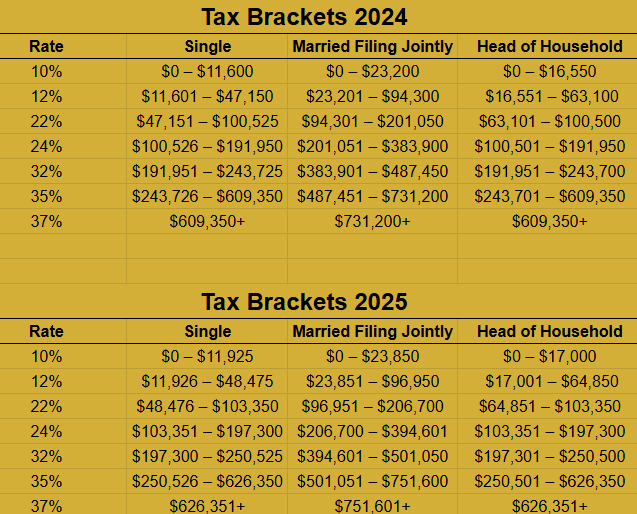
Choosing between Roth and Traditional isn’t random—it should be based on your current vs. future tax rate.
When a Roth Makes More Sense
Use a Roth if you expect your future tax rate to be higher than it is today.
Examples may include but are not limited to:
- You’re early in your career and expect income to grow
- You’ve gotten raises consistently
- You’re planning to switch to a higher-paying field
- You expect tax rates overall to increase in the future
Pay the taxes now, while they’re “cheaper”.
When Traditional Makes More Sense
Use Traditional if:
- You expect your future tax rate to decrease,
- You have limited Roth options (income limits, plan restrictions), or
- You’re trying to reduce taxable income for things like ACA credits or FAFSA
For many families, a mix of Roth and Traditional accounts can be the most strategic approach.
The bottom line, failing to think through this is a mistake that compounds for decades.
4. Assuming That Employees Can’t Impact Their Taxes (They Can—It Just Requires Strategy)
A lot of W-2 employees believe they have no tax planning options because they aren’t self-employed.
It’s true that employees have fewer levers to pull, but they absolutely still have levers.
One of the biggest opportunities is the timing and structure of itemized deductions.
Tax Strategy Example: Bunching Deductions
Instead of spreading things out evenly each year, you can:
- Pay a larger portion of deductible expenses in one year, and
- Reduce or skip them the next year
This can push you over the standard deduction threshold one year (letting you itemize and gain extra benefit) while still using the standard deduction the next.
This strategy works especially well for:
- Charitable giving
- Medical expenses (when large)
- Property tax payments
- State estimated tax payments
Employees might not have the flexibility of business owners, but there are still strategies available—you just need to be more intentional.
5. Thinking You Need a CPA to File Taxes
(You Probably Don’t—But Some People Absolutely Do)**
This might sound odd coming from someone who works in the tax field, but here’s the truth:
Most individuals do not need to pay a CPA to file their taxes.
If you have:
- W-2 income
- Standard deduction
- Retirement contributions
- A simple household situation
…you can absolutely handle this on your own and most likely get to the same result as a tax professional
And as someone who likes saving money, I then ask you would you pay for something you can do yourself and get the same answer? Sure having the confidence of a tax professional filing may put you more at ease, but the bottom line is that if you do not have any rentals, side hustles, large investments, or business activities you probably don’t need a professional to help. Below are some situations when you should hire a professional.
If you run a business, you cannot afford to DIY your taxes.
A good tax professional can:
- Save you thousands in deductions
- Guide you on legal entity structure
- Help with estimated taxes
- Avoid IRS issues
- Build long-term tax strategy
If your situation is complex, the cost of a professional is nothing compared to the savings and protection they can provide.
The point is: you have options, and they should fit your needs—not the other way around.
To Summarize
Most tax mistakes come from misunderstanding, procrastination, or assuming things you shouldn’t assume.
But you can avoid nearly all of them by:
- Adjusting your withholdings intentionally
- Planning during the year—not after
- Choosing the right retirement accounts
- Using deduction strategies even if you’re an employee
- Paying for professional help only when you actually need it
Being proactive is the thread that ties it all together.
Small changes today can create huge tax benefits tomorrow.
If you want personalized help or have questions about your unique situation (big or small), feel free to reach out—I’m here to help you make smarter financial and tax decisions year-round.
– Brendan Tiedeman, CPA